Wandermio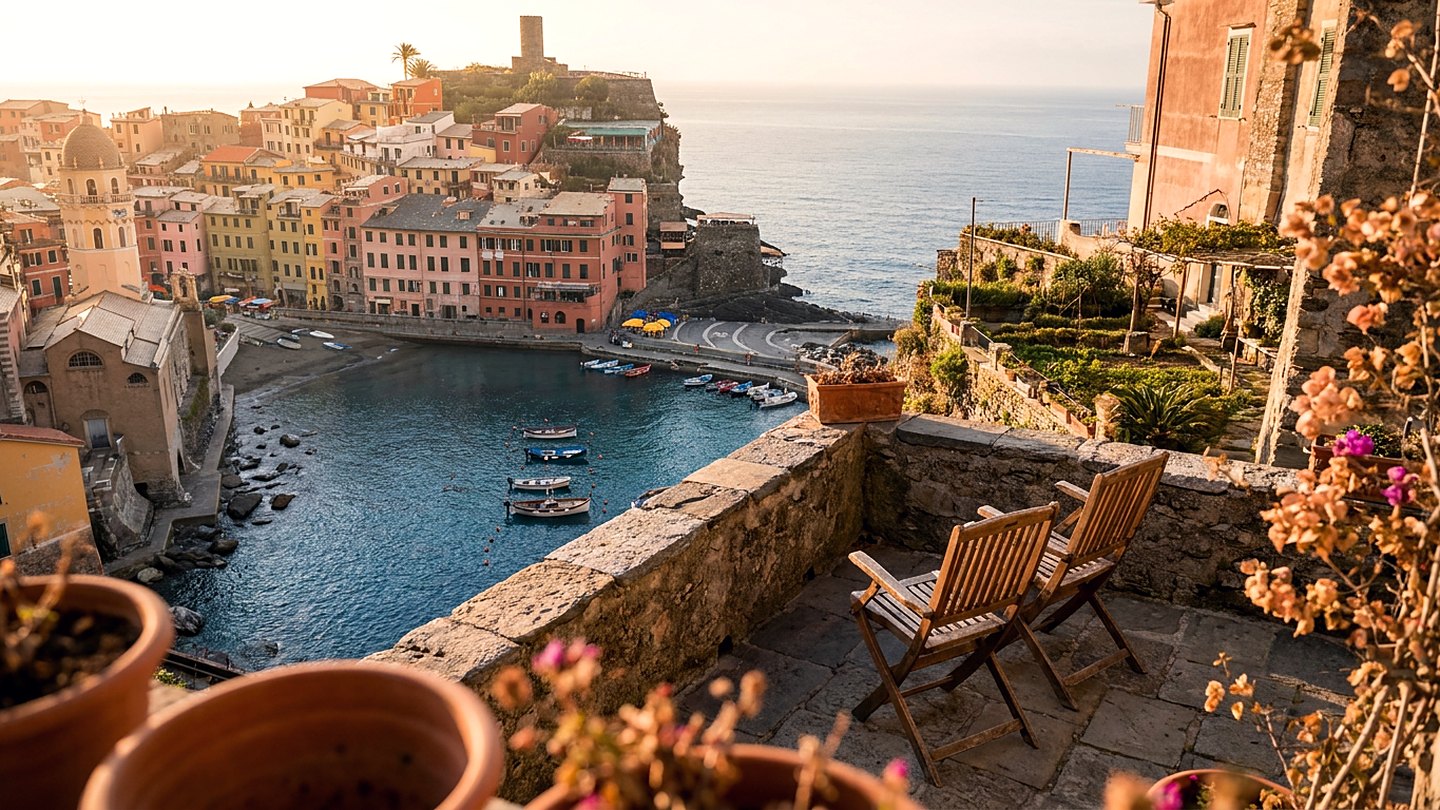
The Amalfi Coast Slows Down in the Last Week of October
I got into Amalfi late on a Tuesday afternoon in the last week of October, and the first thing I noticed was the room. There were four people on the quay. A man was coiling rope into a blue crate and taking his time about it. A shutter banged somewhere above the square and then nothing banged for a long while. On my only other visit, in July, I spent an afternoon shuffling along behind other people's suitcases, looking at the backs of their shoulders and listening to wheels on stone. Now the stone was warm and mostly empty, the light came in low across the water, and I stood there feeling like someone who had walked into the wrong house and liked it better than her own.
The coast in late October is not a calmer copy of the summer coast. It is a different place at the same address. Half of that is the light. By the third week of the month the sun stays low enough all day that the cliffs go apricot around four in the afternoon and stay that way until they go blue. The other half is simpler: the season closes, the crowd goes home, and the towns exhale.
Terraces with nobody on them
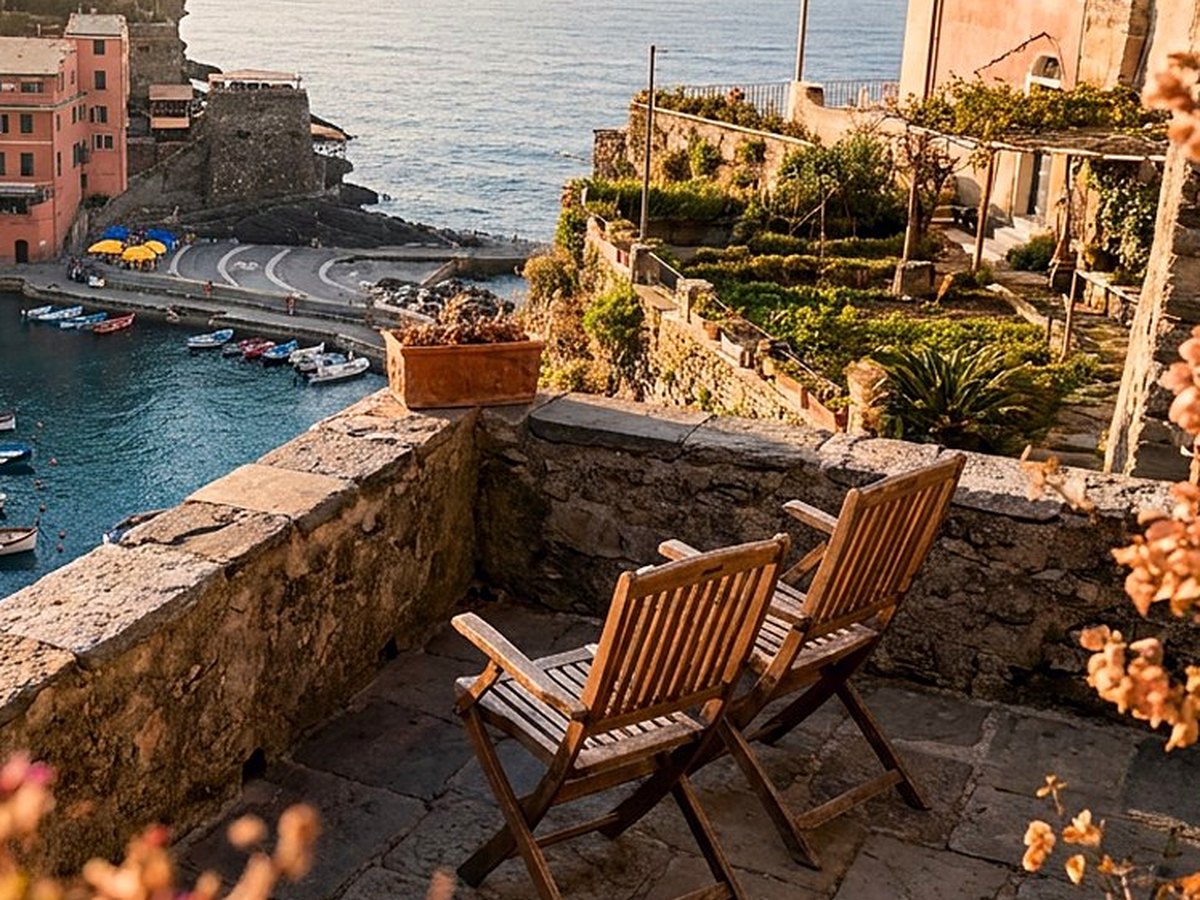
Every town along this coast is arranged around a few sea-facing terraces, and in August you do not sit on them so much as wait for them. In late October I never waited once. In Atrani, two coves east of Amalfi and a ten-minute walk if you take the path through the cliff, I sat on the same terrace three mornings running. The awning stayed rolled back because there was no sun yet to hide from. A gray cat slept on the wall. The woman who ran the place brought coffee without being asked by the third day and told me the swell was coming up on Thursday, which turned out to be true.
Half the chairs were stacked at the far end, which is what the end of a season looks like, and the near ones stayed out, and the kitchen still sent bread and anchovies at noon. Nobody hovered. Nobody needed the table. That is the trade you make in the shoulder weeks: some places have shut for the winter, and the ones still open have time for you. October hands the coast back to the towns that keep it going all year, and for a few weeks the rest of us get to sit at the edge of that and watch.
October hands the coast back to the towns that keep it going all year.
Stairs instead of streets
The road gets all the attention, but the real network here runs vertically. Between the water and the ridge there are thousands of steps, some of them nine hundred years old, and they connect towns that look impossibly far apart on a map.
From Amalfi I climbed to Pontone on a staircase of roughly a thousand steps that starts behind the cathedral and turns into a stone lane between lemon terraces. It took me fifty-five minutes and two stops. Laundry hung over my head. A woman on a landing was sorting chestnuts into a basket and said good morning without looking up. Higher, the steps opened onto a chapel with an unlocked door and a long view down the valley to a wedge of sea.
The walk between Minori and Maiori goes the other way, gentler, along old lemon paths with the fruit hanging heavy in the netting. Atrani up to Ravello is the one I would repeat: about forty minutes of steady climbing, then a town on a shelf with gardens hanging over eight hundred feet of air. Come down the same way at dusk and the whole valley smells like woodsmoke and wet stone.
Water that still remembers August
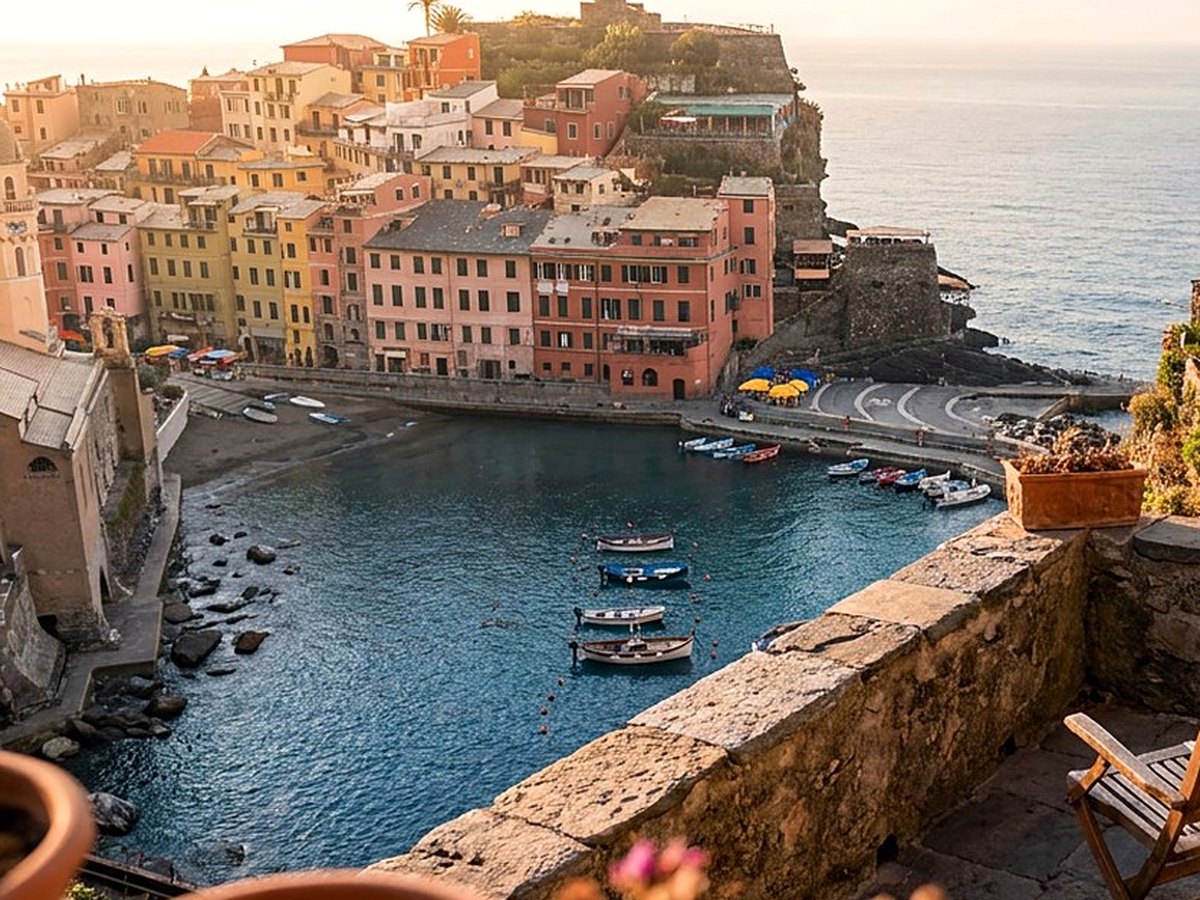
The sea takes months to warm and months to let go, which is why the end of October is the stretch of the year I like for swimming here. The air sat in the low seventies most days. The water felt cold for about eight seconds and then felt exactly right for as long as I wanted to stay in it.
Atrani has a small pebble beach at the mouth of its valley, hemmed in by buildings, and at eleven in the morning I had it to myself except for two men working on a boat. In Amalfi the pebbles are darker and you can swim straight off the town. Farther west the coves get harder to reach and better once you do. I never saw an umbrella in the sand. Everything that had been set out all summer was folded and stacked and waiting for spring.
Above the beaches the lemon terraces climb in steps, propped up by chestnut poles and dark netting. In October the fruit is heavy and the smell after rain is the thing I would put in a jar and carry home if I could: citrus leaf, wet limestone, a little woodsmoke from somebody's stove.
The road that hangs over the water
The coastal road is a shelf cut into the cliff, wide enough for a car and a half, and the buses drive it with a confidence that took me two days to enjoy. They sound the horn before every blind corner. They fold their mirrors in. Twice I watched a driver reverse thirty yards uphill so a delivery truck could pass, with the whole bus watching the drop and nobody saying anything about it.
Sit on the sea side, which going west from Amalfi means the right. Board at the end of a line if you want a seat, because the buses fill fast in the middle towns, and the standing part of that ride is where the road stops being scenic and starts being personal. In late October they run often enough that missing one costs you twenty minutes rather than an afternoon.
The water is the other way to move, and it is the one that shows you what these towns actually are: vertical stacks of pastel wedged into folds in a cliff, invisible to each other, all facing the same direction like an audience. Sailings thin out as the month goes on, so I got in the habit of reading the schedule posted at the quay each morning.
When to go, how to get around, and what is nearby
Mid October through the first days of November is the window I would pick again. The water is still warm, the crowd has gone, and the light does that low golden thing all day instead of only at either end of it. The days are shorter than you expect. By the final week of October the sun is behind the ridge by half past four and gone by six, so the climbing walks work better in the morning. Rain arrives in short heavy bursts and leaves fast. A light shell and shoes with real grip matter more than anything else you pack, because wet limestone steps are slick and there are a great many of them.
Getting around is a choice between the water and the road, and the answer is usually both. Boats connect the coastal towns and give you the views the road cannot, and service is frequent early in the month, then drops to a few sailings a day as the season winds down. Read the schedule posted at the quay each morning rather than trusting what you saw last week. The road bus reaches everything, including the hill towns the boats cannot, and it runs late enough to bring you home after dinner. Driving is possible, parking is not, and I would not do it a second time. Between neighboring towns, walking is often the quickest way of all.
For a day off the shoreline, Ravello sits above Amalfi with its gardens and its view along the whole coastline. Behind Amalfi a valley path leads up past the ruins of old paper mills, cool and green even in dry weather. At the eastern end, Vietri sul Mare is where the ceramic workshops are, and the tiled domes there are the reason to make the trip. Naples is roughly two hours away by road, and the far side of the peninsula, around Sorrento, makes an easy day if the weather turns.

Ida Fenwick
Writes and photographs this blog from Charleston, West Virginia. More about the blog.
Read next
-
Seven Days on Iceland's Ring Road, Early Summer
Last June I drove the whole loop in seven days and learned that the driving was not the space between the good parts. It was the good part.
-
Tile Hunting in Lisbon, One Facade at a Time
I spent a week in Lisbon looking at walls instead of views, and the city rearranged itself around that one decision. Here is what the tile is for and how to time a morning so the patterns actually show.